
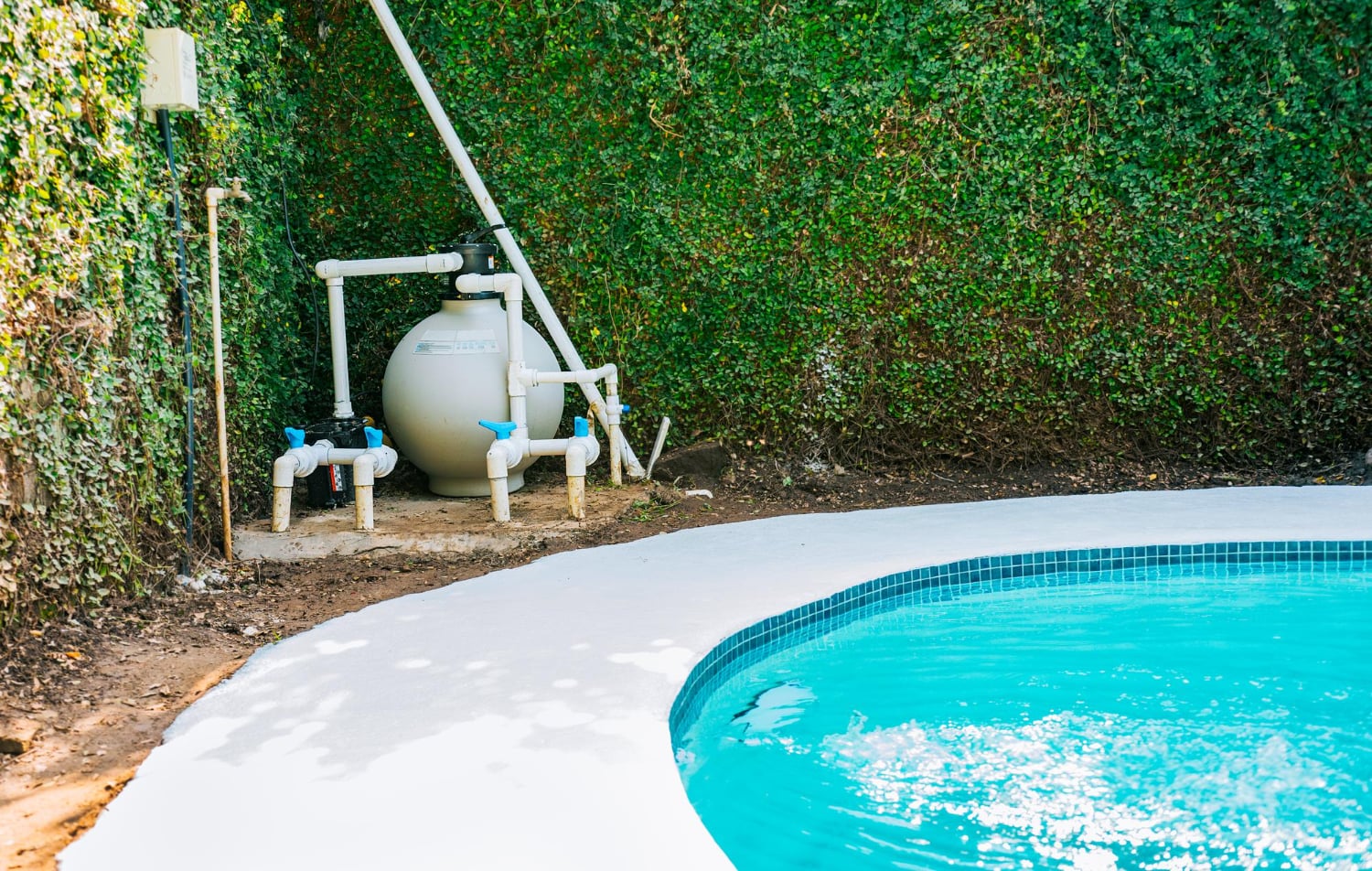
In the heat of summer, commercial pools in places like Sarasota, Florida, run nonstop. Guests expect clear water, smooth operation, and relaxing environments. What many don’t see is the hardworking pump behind the scenes keeping all that water flowing. The pump plays a big role in how well a pool runs day to day. From circulation to filter support, it keeps everything moving.
When that system starts to wear out or act up, it’s not always a major breakdown that alerts you. Sometimes the signal is a low hum that wasn’t there before or flow that seems just a little bit weaker. Spotting problems early makes pool pump repair easier and less disruptive. During peak season, the last thing anyone needs is a shutdown in the middle of a busy week. Here are some common signs we look for when a pump may be on its way out.
Unusual Sounds From the Pump
Unexpected noises are usually the first thing that stands out. Pumps are never silent, but the sound should stay pretty consistent. A sudden grind, high-pitched screech, or new type of hum usually means something’s off.
- Grinding noises could mean bearings are starting to fail.
- Screeching or whining sounds might come from parts shifting out of place.
- A steady buzzing or humming could signal an electrical issue.
Changes like these often start small, but they don’t stay that way long. A part that’s only a little damaged today can lead to a seized motor or full pump failure by next week. Listening closely and acting quickly can keep that from happening.
Signet Pool provides prompt diagnosis and repair for faulty pool pumps in Sarasota, using commercial-grade replacement parts and expert troubleshooting for busy facilities.
Low Water Flow or Circulation
If the water isn’t moving the way it should, the system may be struggling. Commercial pools rely on strong circulation to support constant user traffic, especially in summer. When that flow weakens, the first thing managers often notice is the skimmers not catching debris or water levels not turning over fast enough.
- Clogged impellers can block flow and make the pump work harder.
- Worn seals can reduce pressure inside the system.
- A faulty motor might spin but not generate enough pull.
Low flow causes more than cloudy water. It can throw off chemical balance, leave debris floating longer, and make filters work overtime. A pool with slow-moving water may seem easy to ignore at first, but the hidden impact grows quickly.
Air Bubbles or Leaks Around Equipment
Sometimes the signs aren’t in the sound or the water speed but in what’s happening inside the lines. Visible bubbles inside return jets could mean air got pulled into the system where it doesn’t belong. That usually points to a leak somewhere.
- Suction side leaks pull air into the pump, which shows up as bubbles.
- Leaking seals can leave puddles around the base of the pump or nearby plumbing.
- A cracked pump housing might not be obvious until the leak gets worse.
These leaks not only reduce performance, they can damage nearby electrical systems or surfaces. Leaving air in the lines too long can also lead to cavitation, where the pump blades wear down faster over time. Catching leaks early keeps things simpler and safer.
Our team specializes in locating and repairing pool pump leaks and faulty seals for Sarasota properties, helping prevent hidden system failures before summer crowds increase demand.
Overheating or Turning Off Randomly
It’s already hot outside. When a pump overheats, things escalate fast. You might notice it shutting off mid-cycle, tripping breakers, or refusing to stay on.
- Overheating could mean the motor is nearing the end of its working life.
- Internal electrical faults may trigger safety shutoffs.
- Lack of proper ventilation or airflow can make the problem worse in summer.
These may seem like one-off issues, but if a pump is turning off more than once, it’s usually not a fluke. Hot weather like we see in Naples, Florida, only adds pressure to an already stressed system. Letting it go on too long can mean a full rebuild instead of a quick fix.
Rising Energy Bills Linked to the Pump
Another sign that often gets missed is found in utility reports. A sudden spike in electrical usage during normal operating hours can point straight to a tired or inefficient pump. When parts wear down or the motor struggles, the system draws more power while doing less.
- Old pumps often work harder just to keep up.
- Damaged parts create resistance that increases load.
- Malfunctioning motors can cycle inefficiently, wasting energy.
Watching those patterns over time can tell a quiet story about what’s going on. Instead of waiting for a bigger failure, checking for pool pump repair when energy use changes could save time and stress during the busy season.
Stay Ahead of Pool Pump Problems Before Peak Season
The best way to avoid big service interruptions is to notice and handle small trouble spots early. Commercial pools see their heaviest use during the summer months, and systems run close to nonstop. A delay in pool pump repair could mean skipping steps, blocking off access, or disrupting operations during a high-traffic week.
We always recommend keeping an ear out for odd sounds and watching for signs like lower flow or strange water movement. Staying ahead of pump problems doesn’t just protect the pool, it gives your guests and staff a better experience. Repairs done sooner are typically faster, quieter, and easier to schedule. Monitoring a few simple changes now could help keep the whole system running smoothly, with fewer headaches down the line.
When your pool system starts making unusual noises or showing signs of weak water flow, it’s often your pump signaling for attention. Staying proactive with early maintenance can make all the difference, especially during peak use in Sarasota, Florida. We help commercial properties stay ahead of costly issues with timely support and dependable solutions. Spot the warning signs that point to pool pump repair and schedule a visit with Signet Pool to keep your facility operating smoothly.